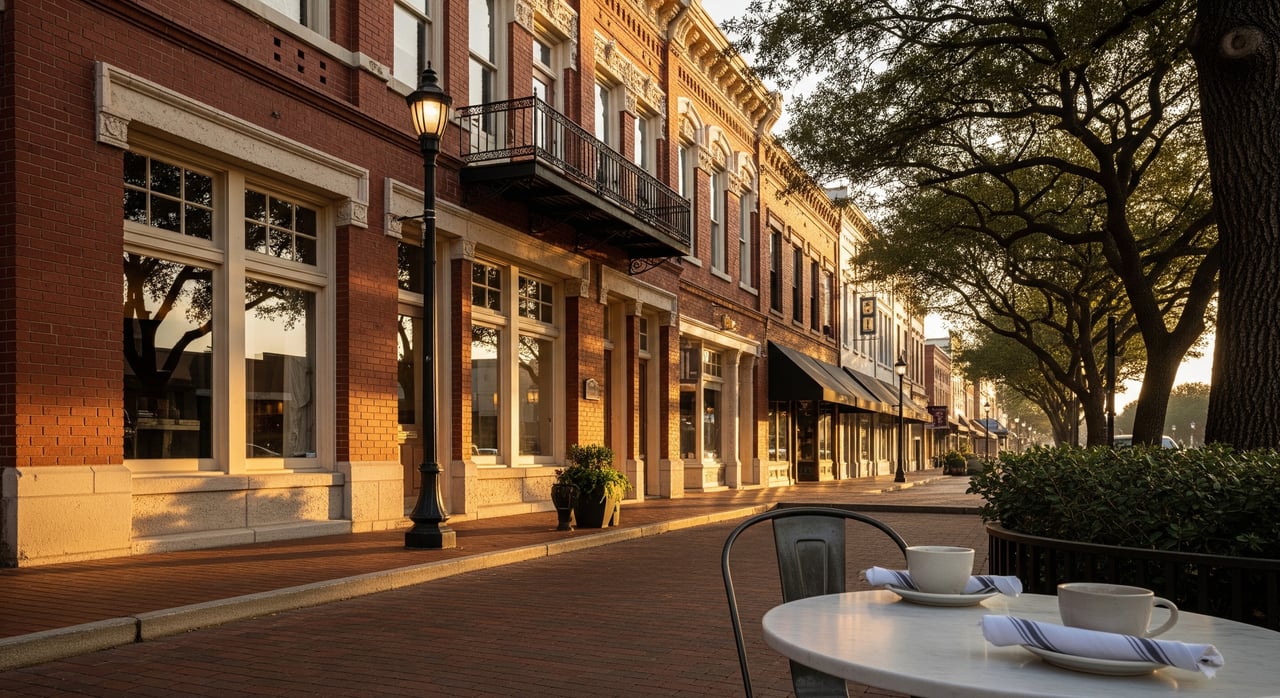
Imagine grabbing coffee, strolling past local boutiques, and being home in minutes. If you’re drawn to the charm of a historic square with real day-to-day convenience, living near Historic Downtown McKinney may be right for you. You want walkability, character, and access to essentials without giving up practical needs like commuting and groceries. In this guide, you’ll learn what everyday life near the square looks like, from errands and events to housing types, ownership costs, and renovation rules. Let’s dive in.
Walkability and daily rhythm
The square is compact and easy to navigate on foot. Most restaurants, shops, and services sit within a 5 to 15 minute walk of the center. Sidewalks, pedestrian crossings, and public seating make it simple to run a quick errand or meet a friend for lunch.
Weekdays feel busy around lunchtime as courthouse and office workers visit local spots. Evenings and weekends pick up with live music, dining, and events. On event days, expect more foot traffic and visitors, which adds energy to the area.
Errands and essentials
You can cover many daily needs within a short walk of the square, including coffee, quick bites, small specialty shopping, and personal services. For full grocery runs and big-box items, you’ll likely drive a short distance. Most residents near downtown still keep a car for weekly shopping and appointments outside the core.
Dining, shopping, and services
You’ll find a strong mix of locally owned restaurants, bars, and cafes alongside boutiques and galleries. This small-business feel sets downtown apart from nearby shopping centers. Professional services, like banking and small medical or dental offices, are nearby. County offices and the courthouse add a civic anchor.
On many weekends and select evenings, downtown hosts events like farmers markets, art nights, seasonal festivals, and holiday celebrations. Dates change every year, so plan to check current city and Main Street calendars.
Parks and recreation
Green spaces and small parks dot the downtown area. You can enjoy a quick walk, a shaded bench, or a short loop after dinner. Larger parks, city trails, and the Heard Natural Science Museum & Wildlife Sanctuary are a drive away for longer outings. Many residents pair a downtown lifestyle with weekend trips to regional parks for hiking, biking, or family time.
Housing types near the square
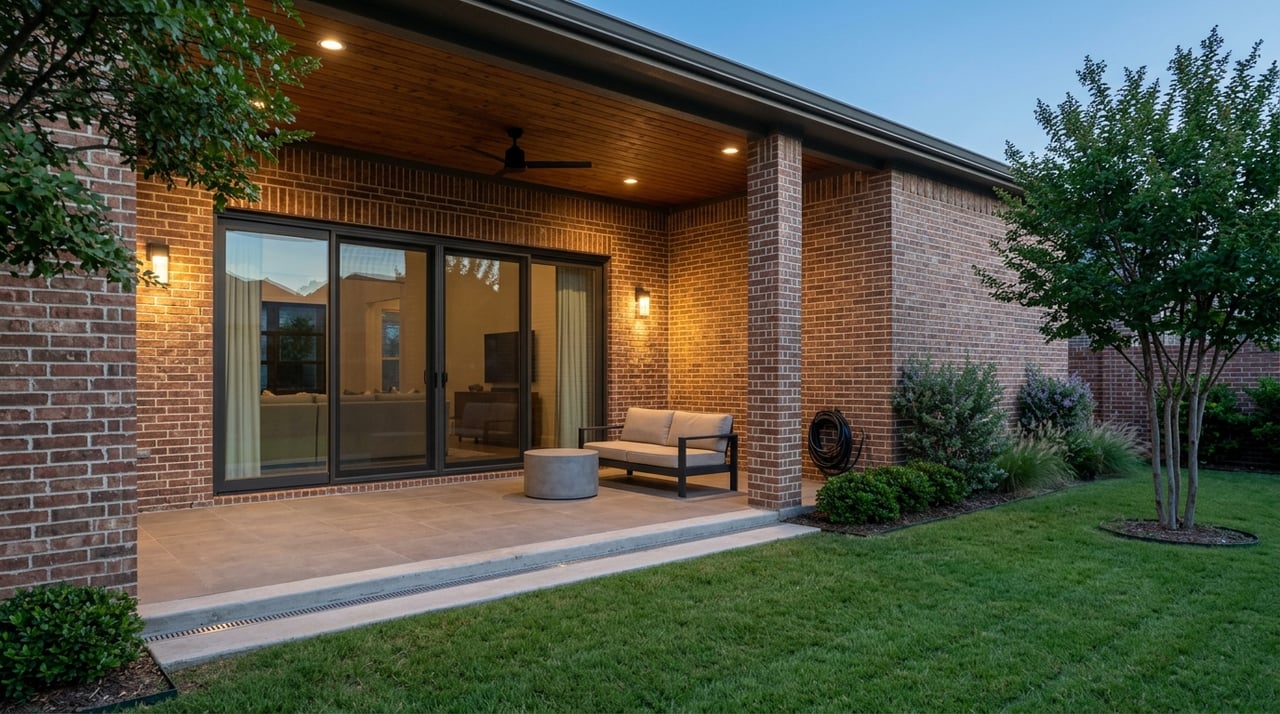
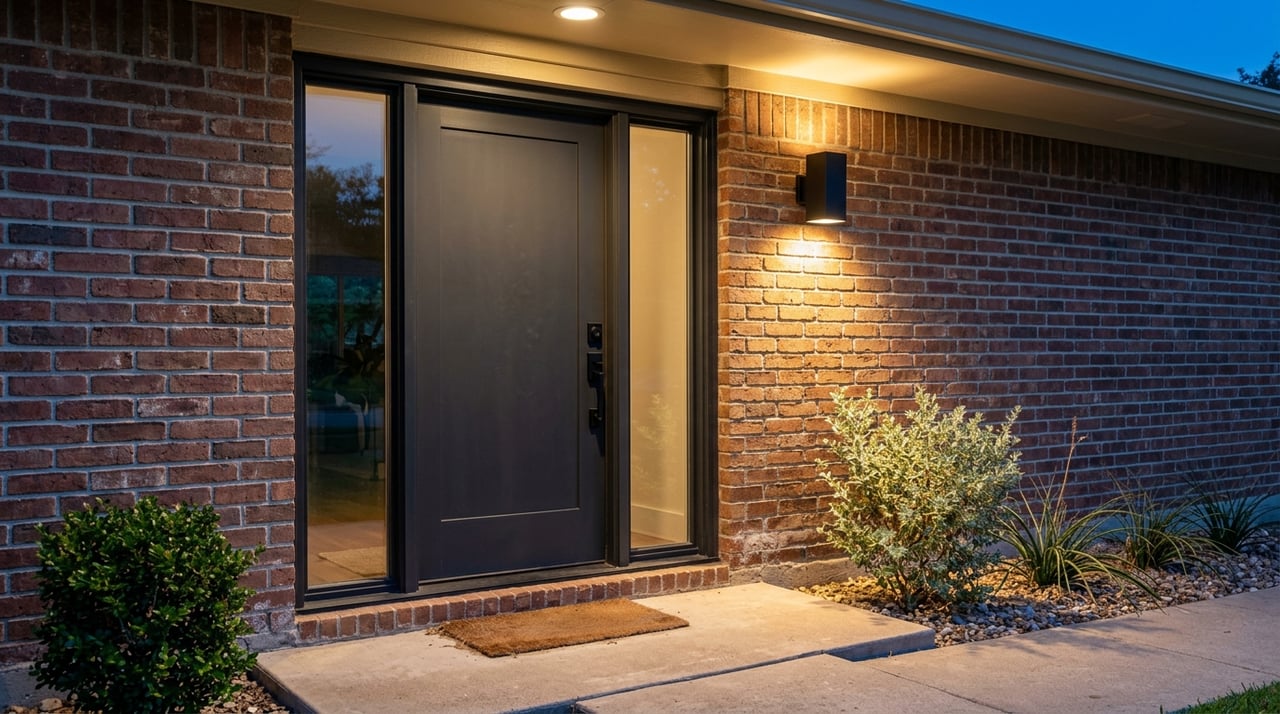
Close to the square, you’ll see older single-family homes, cottages, and some modest Victorian or early 20th century styles. A few buildings include upper-floor residential units above retail. As you move outward, you’ll find a mix of period homes, infill townhomes or duplexes, and newer single-family houses.
Downtown-adjacent properties often command a premium compared with more suburban neighborhoods. The draw is the walkable location, unique architecture, and proximity to events and dining.
Price and market context
Values shift with broader market trends, and premiums for downtown proximity vary by block and home style. If you’re comparing options, focus on hyperlocal data. Ask for comparable sales within a few blocks of the square and filter by age, style, and lot characteristics rather than using citywide averages.
A local agent can help you understand the premium for walkability and how it compares with nearby suburban subdivisions. Well-presented historic homes near the square tend to hold appeal when improvements respect the original character.
Ownership costs and taxes
Texas relies heavily on property taxes, which are a key part of your ownership costs. Plan for annual tax bills and review your parcel’s details and exemptions with the county appraisal office. Downtown homes may also bring added maintenance needs. Older structures sometimes require updates to electrical, plumbing, roofing, HVAC, and foundations.
If your property sits within a historic area, you may also have design review fees or specific permitting steps. Insurance costs can be different for older homes and may vary based on age, materials, and location.
Historic district: what to expect
McKinney takes historic preservation seriously. Exterior changes in designated historic districts usually require design review and permits. Projects that often need review include roofing, siding, windows, porches, additions, and signage for businesses.
If you’re planning a renovation, speak with the city’s Historic Preservation staff early. Review the guidelines and get clarity on what is likely to be approved. This helps you set realistic budgets and timelines and protects your home’s historic charm.
Transportation and commute
Driving is the main mode of transportation for most residents. Many commute to jobs in nearby suburbs like Plano, Frisco, or Allen. Travel times depend on traffic, and rush-hour congestion on major roads is common.
Public transit options are limited. DART rail does not serve downtown McKinney. You’ll likely rely on a car for regional trips and use walking or biking for short downtown errands.
Schools and education
Much of the area is served by McKinney ISD, but attendance zones can change. Specific downtown-adjacent streets may feed into different elementary, middle, and high schools. If schools are a priority, verify current boundaries for the home you’re considering and review publicly available performance data.
Safety, parking, and event life
Downtown has an active street life, especially in the evenings and on event days. You’ll see pedestrians, restaurant activity, and occasional delivery vehicles. Parking includes on-street spaces, small public lots, and private business lots. When events draw crowds, you may park a bit farther and walk in.
For a full picture of local safety, review recent crime data and maps from official sources. Downtowns often see more nighttime service calls related to restaurants and nightlife. Compare residential trends near your target block with citywide averages.
Flood risk and utilities
Some parcels in and near downtown may sit in FEMA flood hazard areas or local drainage zones. Before you buy, review flood maps, order an elevation certificate if needed, and consult the city’s floodplain administration. This step also informs insurance needs and any future renovation plans.
Municipal utilities, like water and sewer, are managed by the city. Infill or unique parcels sometimes have specific connection or permitting requirements, so confirm details during your option period.
Is downtown life a fit? A quick checklist
- Walk the square at midday, on a weeknight, and on a weekend morning. Note parking, noise, and crowd levels.
- Sample coffee shops, restaurants, and the farmers market to gauge your weekly routine and budget.
- Confirm school boundaries for your exact address and review public data if schools are a priority.
- Ask for comparables within two or three blocks of the square and filter by home age and style.
- Review historic overlay maps and speak with city staff about exterior changes before making renovation plans.
- Check FEMA flood maps and consider an elevation certificate for properties near drainage areas.
- Budget for property taxes and set aside funds for potential upgrades common to older homes.
Ready to explore homes near the square?
If you love the idea of a walkable, character-filled lifestyle, our team can help you compare streets, home styles, and trade-offs so you can move with confidence. We’ll guide you through historic guidelines, ownership costs, and the best local comps for your goals. Reach out to Seek Real Estate to tour homes, get a tailored market read, and start your search.
FAQs
How walkable is Historic Downtown McKinney for daily needs?
- Many restaurants, cafes, boutiques, and services are within a 5 to 15 minute walk, while full grocery trips typically require a short drive.
What types of homes are near the square and how do they differ?
- You’ll find older cottages and early 20th century homes closest to downtown, plus some upper-floor units and infill townhomes or duplexes as you move outward.
Do historic rules affect renovations near downtown McKinney?
- Yes; exterior changes in designated historic districts generally require design review and permits, so consult city guidelines before planning work.
What is the commute like from downtown McKinney to Plano or Frisco?
- Most residents drive; travel times vary with traffic and rush-hour congestion on major roads is common.
Which schools serve downtown-adjacent neighborhoods in McKinney?
- Much of the area is within McKinney ISD, but attendance zones vary by address and change periodically, so verify current maps for each property.
Is parking difficult for residents near the square during events?
- Parking options include on-street spaces and small public lots, but demand rises on event days, so expect to walk a few blocks at times.
Should I be concerned about flood risk near downtown McKinney?
- Some parcels may fall within FEMA flood hazard areas; review flood maps, consider elevation certificates, and consult the city’s floodplain staff before buying.